Facilitation is not just about the tools you teach, but also how you deliver and adjust these tools for each audience.
What can we learn from music performance when it comes to facilitation? How does systems coaching parallel the performing arts industry? Looking at some of the key lessons from performers can help facilitators build stronger relationships with the audience more effectively.
Co-written by Nairy McMahon, ORSC practitioner and Director of CRR UK, and Wyse Lockyer, a professional musician who has trained in ORSC.
Own who you are and showcase your passion
When you facilitate, consciously drop any inhibitions and self-consciousness at the door and focus on the energy you’re putting out and what makes you passionate about what you’re delivering. This is an essential element of a good performer. Many feel very nervous before a performance however it is crucial to channel those nerves into performing well, as well as being able to enjoy the show in order to allow the audience to do so as well.
Connection before content
Experienced facilitators, like musicians, will know how important practicing is to be able to achieve a good flow. The reason practice is so important is so that when it comes to the facilitation – the performance, you don’t have to focus on the content because it’s second nature to you. At that point, you can focus your energy on how you’re connecting with your audience. You’re also much more likely to be able to confidently improvise when things don’t go as planned.
Don’t be afraid to put a piece of yourself into your facilitation
All the best performers put some of their heart and soul into their shows. If you want to be a great facilitator, it’s not just a job and it’s not just about the tools. It’s about inspiring people. But be mindful, for the sake of your mental health, to separate yourself enough so that feedback is a tool, not something to be taken personally (although this is easier said than done).
Take your participants on a journey
How are you going to keep participants engaged? Take them on a journey with you. Some of the best music performers design their performances to take their audiences on a journey of varying energy and emotion, to keep them engaged. How can you vary your dynamic and use exercises to achieve this?
Don’t be afraid to be vulnerable
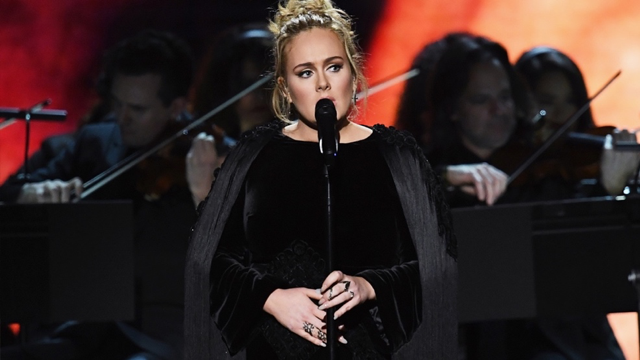
Vulnerability is something we often avoid showing in front of other people. But vulnerability can help establish trust and connection. Some amazing performances have resulted when things have gone wrong and the performer has connected with the audience over it rather than feeling embarrassed and covering it up. Adele’s famous performance at the Grammys in 2017 began emotionally when she restarted her tribute to George Michael due to “not wanting to mess this up for him”. Her emotions were evident, but because of this her performance resonated with people all over the world. Vulnerability could also be sharing your past mistakes and what you learnt from them.
Performing arts and systems coaching are both about relationships – specifically how you build a relationship with the viewers through your awareness of yourself and them, which allows the show to come alive. The difference between truly entertaining & inspiring rather than simply delivering is to do with emotional engagement – and creating a unique bond with each audience. The ORSC insights above will help you to achieve this.
Upcoming ORSC Virtual Alchemy course