A question we’ve heard a lot in our ORSC Community System: the difference between tools and skills. At CRR UK, we see time and again how this awareness shapes the quality and confidence of Organisation and Relationship Systems Coaching (ORSC) practitioners.
Whether you’re a leader navigating team dynamics, a coach seeking deeper impact, or a facilitator guiding complex systems, knowing when to use a tool and when to lean into a skill can be the difference between a transactional interaction and a transformational one.
Let’s unpack the two.
What Are ‘Tools’ in ORSC?
In ORSC, tools are structured interventions designed to help a relationship system explore itself. These tools are grounded in psychological, systemic, and organisational theory and give coaches a way to make the invisible dynamics within relationships visible.
Some examples of ORSC tools include:
- Designed Team Alliance (DTA): A foundational tool to align on shared values and create a conscious, intentional culture in any relationship or team.
- Lands Work: Helps uncover individual perspectives or “territories” and bridge understanding across difference.
- Role and Structure Coaching: Explores the roles that exist in a team or partnership and how they are held.
- Constellations: A spatial, embodied way of surfacing unconscious relational dynamics.
These tools are powerful — and highly teachable. In fact, many participants walk away from the ORSC Fundamentals module with practical tools they begin using immediately in their teams, coaching practices, or even personal relationships.
But using a tool alone isn’t enough.
What Are ‘Skills’ in ORSC?
Skills refer to the coach’s personal capacities — the inner and outer competencies they bring to the coaching engagement. While tools provide a map, skills help you read the terrain.
Key ORSC coaching skills include:
- Reading emotional fields
- Staying neutral and non-attached
- Listening beyond words
- Sensing what the system needs
- Holding multiple perspectives simultaneously
These are not just learned in a classroom — they’re practised, honed, and embodied over time. Skills are what allow coaches to adapt in the moment, to respond to what’s emerging, and to deliver a tool with depth and presence.
You might think of skills as the craftsmanship of a coach. Two coaches might use the same tool — but the experience for the client system can be vastly different depending on the skill with which it’s delivered.
Why the Difference Matters
It’s common for new coaches to want the perfect tool for every situation. But as their confidence grows, they start to realise something deeper: no tool will land without the right skill. In fact, one of the core teachings of ORSC is to coach the system, not the individual or the problem — and that means using skills to sense what’s needed, not just defaulting to a technique.
Without skill, tools can feel mechanical. Without tools, skills may lack direction. Mastery comes from the interplay of both.
The Interplay Between Tools and Skills
Imagine a painter with the best brushes and paint — but no sense of colour or composition. Now imagine a gifted artist who knows how to bring any medium to life, even with limited materials. The same is true in coaching.
A practical example: You may choose to use the Lands Work tool to explore conflict in a team. But the effectiveness of that tool depends entirely on your skill in sensing when to go deeper, when to pause, and how to hold neutrality when emotions rise.
This is where ORSC shines — it teaches both the what and the how, providing structure while nurturing the coach’s intuitive ability.
How ORSC Training Develops Both
The ORSC series is designed to develop practitioners who are both confident with tools and fluent in skills. Each module adds complexity and deepens capability:
- In Fundamentals, you learn core tools and experience the impact of coaching the system.
- As the series progresses, you begin to sense systems in motion, read emotional fields, and adapt with greater nuance.
- Through practice, supervision, and peer learning, you build the skills to move fluidly and intentionally in any relational environment.
You don’t just learn how to use a tool — you learn when it’s needed, and how to hold yourself while delivering it.
Begin or Continue Your Journey with ORSC
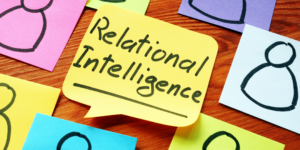
If you’re ready to develop not just your coaching toolkit but your capacity to listen, sense, and lead with relational intelligence, join us for our virtual Fundamentals course in September or our in-person ORSC Fundamentals course this October.
Held online or in London, this immersive two-day training introduces you to the principles of Relationship Systems Intelligence (RSI™), equipping you with tools you can use immediately — and beginning the deeper work of developing the systemic skills that set truly transformational coaches apart.
If you’ve already completed the introductory module of the ORSC series, it’s vital you continue! The tools and skills mentioned in this article are from various modules of the series, and you’ll only master them through attending the modules. Our next series is starting in September and will be virtual. Please join us if you’re not already enrolled for one of our series.
Whether you’re a coach, leader, or facilitator, learning to distinguish and integrate both tools and skills will take your practice to the next level.
Discover the power of working with systems. Learn more and book your place on the September Virtual Fundamentals or in-person October training with CRR UK.