We’ve all been in conversations that feel… off.
On the surface, everything looks fine. The right words are being said. People are nodding. Progress should be happening.
And yet — something isn’t quite landing.
Tension lingers. Motivation drops. Decisions stall.
Most of us are trained to work with what’s visible: the words, the actions, the outcomes.
But what if the real leverage point sits somewhere else entirely?
What Lies Beneath the Surface
In any relationship or team, there are always two levels at play:
- The visible: what’s being said, agreed, and done
- The hidden: emotions, assumptions, loyalties, unspoken tensions
It’s often this second layer — the one we don’t directly address — that shapes everything.
And yet, many of us have never been taught how to work with it.
This is where ORSC learning, especially in a cohort, creates a profound shift.
Learning to See Systems in Real Time
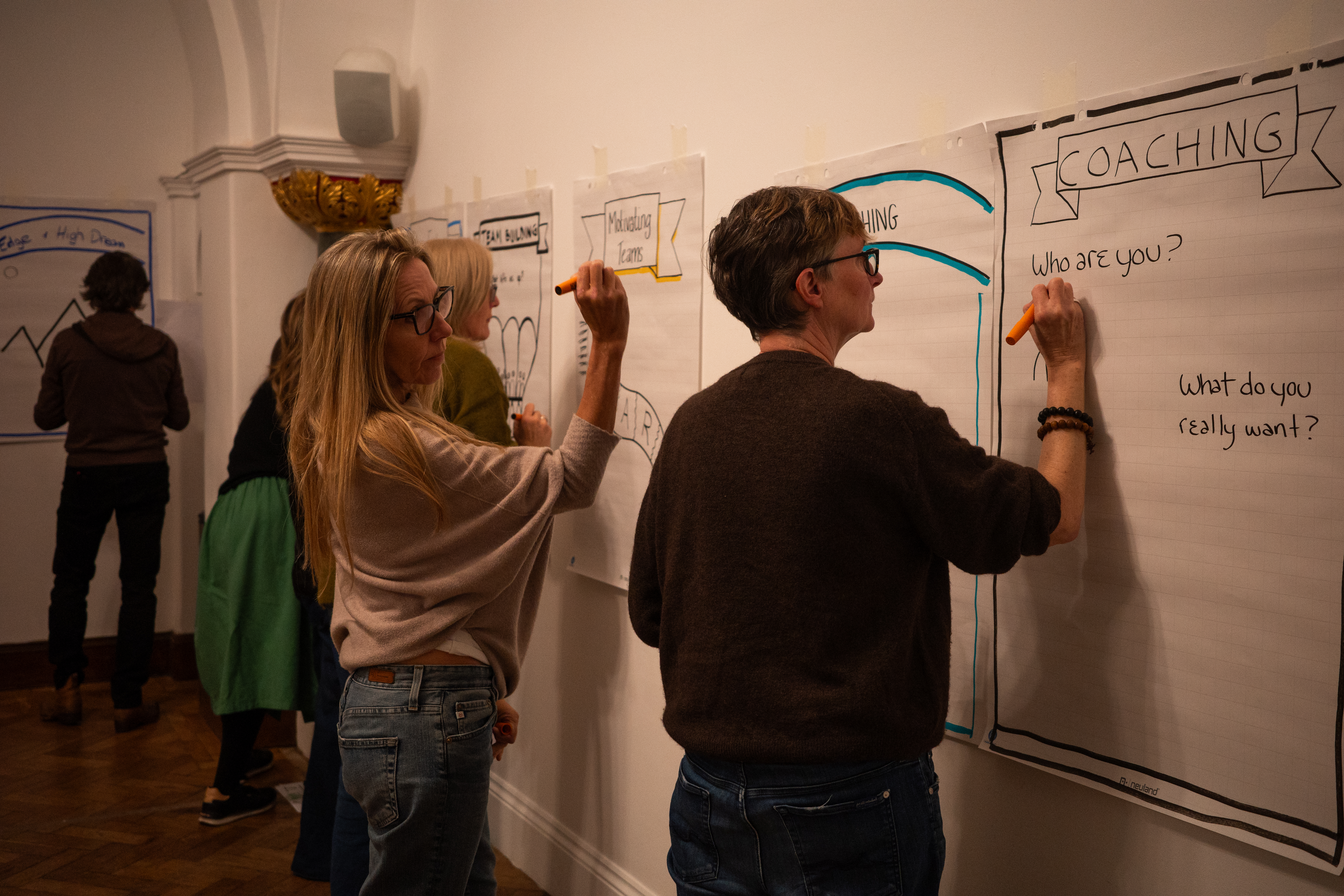
When you learn ORSC in community, something starts to change.
You don’t just hear conversations — you begin to notice them differently.
- A hesitation that signals something unspoken
- A pattern that keeps repeating across interactions
- An emotional undercurrent that isn’t being named
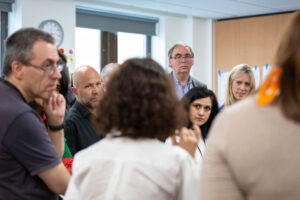
Because you’re learning alongside others, you’re exposed to multiple perspectives at once. What you might miss, someone else sees. What feels unclear becomes clearer through shared reflection.
The system becomes visible — not as an abstract idea, but as a lived experience.
“I would recommend this course for those who want to get behind the public face of interactions to identify and work with the hidden emotions & experience that are hindering progress, in a way that the participants will welcome and enjoy.”
Why Community Makes This Easier (and Safer)
Seeing beneath the surface is one thing.
Working with it is another.
Many leaders and coaches sense these hidden dynamics — but hold back.
They worry about saying the wrong thing.
They don’t want to disrupt the flow.
They’re unsure how it will land.
Cohort learning changes this.
It creates a space where:
- Exploration is encouraged, not judged
- Curiosity replaces certainty
- Experimentation is part of the process
You’re not expected to “get it right” — you’re invited to try.
And in doing so, you discover that working with what’s hidden doesn’t have to feel heavy or confrontational.
In fact, when done well, it can be engaging, energising — even enjoyable.
A Shift Beyond Emotional Intelligence
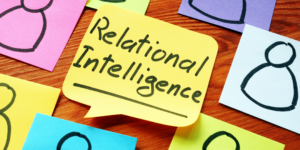
Many people come to ORSC with a strong foundation in emotional intelligence.
They’re skilled at recognising feelings, managing responses, and building rapport.
But systems work takes this further.
It’s not just about understanding individuals — it’s about understanding the space between them.
- How roles are unconsciously assigned
- How patterns repeat across time
- How the system itself resists or enables change
This is where a deeper level of awareness emerges — one that moves beyond interpersonal skill into systemic insight.
What Becomes Possible
When you start to see beneath the surface, your impact changes.
Conversations become more honest — and more productive.
Teams move through stuckness more quickly.
Relationships deepen, because what’s real is finally being acknowledged.
And perhaps most importantly — change becomes possible in places where it previously felt blocked.
Looking Ahead
In our final blog of this series, we’ll explore what happens next:
How do you take this awareness and turn it into meaningful action — in your leadership, your coaching, and your relationships?
Ready to Deepen Your Practice?
If you’re ready to move beyond surface-level interactions and start working with the dynamics that truly shape relationships and teams, there are two upcoming opportunities to begin:
ORSC Fundamentals – May
A practical introduction to ORSC tools and systems thinking, designed to help you recognise and work with the dynamics beneath everyday interactions.
Summer In-Person Fast Track
An immersive cohort experience where you’ll develop your ability to see, sense, and work with systems in real time — alongside a group of peers on the same journey.
Both are designed to help you not just understand systems — but confidently work with them.
→ Explore upcoming courses and reserve your place