CRR UKCRR UK
Book A Course
Linkedin YouTube Facebook Instagram
  • Home
  • Courses
    • The ORSC Series
      • Module 1 Fundamentals of ORSC
      • Module 2 Intelligence
      • Module 3 Geography
      • Module 4 Path
      • Module 5 Systems Integration
    • ORSC Fast Track Programme
    • Team Coaching Supervision for the Systems Coach
    • Alchemy
    • Book a Course
  • Systems Consultancy
  • Community
  • Resources
    • Blog
    • Team Coaching Tools
    • Conflict Management
    • FAQS
    • Podcasts
  • About
    • What is ORSC?
    • Why Train With Us
    • Who We Are
  • Contact
    • Join our Mailing List
Menu
CRR UK
  • Home
  • Courses
    • The ORSC Series
      • Module 1 Fundamentals of ORSC
      • Module 2 Intelligence
      • Module 3 Geography
      • Module 4 Path
      • Module 5 Systems Integration
    • ORSC Fast Track Programme
    • Team Coaching Supervision for the Systems Coach
    • Alchemy
    • Book a Course
  • Systems Consultancy
  • Community
  • Resources
    • Blog
    • Team Coaching Tools
    • Conflict Management
    • FAQS
    • Podcasts
  • About
    • What is ORSC?
    • Why Train With Us
    • Who We Are
  • Contact
    • Join our Mailing List
CRR UKCRR UK

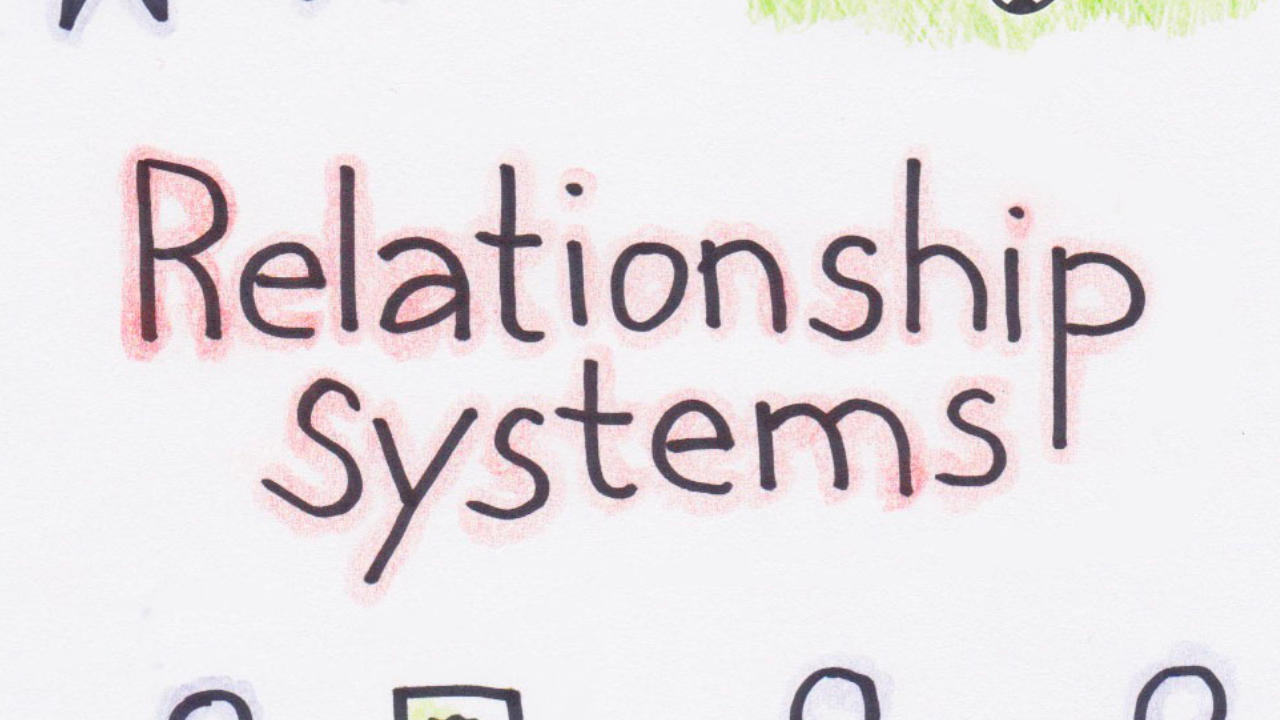
Relationship Systems Explained

19th June 2023 /Posted byLouise Blackman

What is a Relationship System?

The key thing to remember is that no one is totally isolated from being a part of a relationship system. A relationship system can be any group of people who are interdependent on each other. There is always something that ties a system together: maybe a goal, a purpose, a need, or an identity.

Examples of relationship systems include, but are not limited to:

  • Work colleagues
  • A sports team
  • A romantic couple
  • A family unit
  • The wider community
  • A government
  • A country
  • A continent
  • The world
  • The universe (…if we ever come into contact with aliens)

The web of a relationship system can vary hugely in complexity and size.

What is Systems Thinking?

Systems thinking provides an operating system to facilitate the effective navigation of change. It is both a methodology and a philosophical framework for examining problems more completely, allowing us to make more informed choices.

Systems thinking helps us shift from observing events or data, to identifying patterns of behaviour over time. A systems thinking approach brings to the surface the underlying structures that are driving events and patterns.

Systems thinking helps address problems that arise as a result of the complexity and interconnectedness between people, organisations, society and environment.

Taking a systemic approach requires a willingness to see the situation more fully; to recognise that we are interrelated; and to acknowledge that there are often multiple interventions to a problem. The perspective requires curiosity, compassion and courage.

By understanding and changing structures that are not serving us well – including our mental models and perceptions – we can expand the choices available to us and create more satisfying, long-term solutions to chronic problems.

For a team to be effective, they need to be in good partnership. If we can’t understand our colleagues, their perspective and point of view, we can never have a productive relationship. Strong teams excel in Relationship Systems Intelligence. They have the ability to be both self-aware and collaborate with the larger whole — the system.


Register for ORS@Work 6-7th July 2023
 

Share Post
  • Twitter
  • Facebook
  • Mail to friend
  • Linkedin

Related posts

ORSC in community
Read more

Beyond the Surface: What You Start to See When You Learn ORSC in Community

13th April 2026
We’ve all been in conversations that feel… off. On the surface, everything looks fine. The right words are being said. People are nodding. Progress should... Continue reading
Systems Learning with ORSC
Read more

Why We Learn Better Together: The Power of the ORSC Cohort Experience

7th April 2026
We’ve all had the experience. You read the book. You attend the webinar. You leave inspired, full of ideas… and then, slowly, it fades. Not... Continue reading
Read more

Why Mastery Doesn’t Happen Alone: The Power of Learning in Cohort

26th March 2026
There’s a significant difference between attending a course and being shaped by a learning journey. In today’s professional world, learning is often consumed in fragments.... Continue reading
Relational and Systems Skills
Read more

Why LinkedIn’s Fastest-Growing Jobs Highlight the Rising Value of Relational and Systems Skills

19th March 2026
At the beginning of 2026, LinkedIn released its annual Jobs on the Rise list — a snapshot of the fastest-growing careers in the UK labour... Continue reading
Systems Coaching
Read more

The Skill That Changes Everything: Why Systems Coaching Is Essential

12th March 2026
Technical expertise may open doors — but it rarely determines long-term impact. In professional environments, where uncertainty is apparent and collaboration is non-negotiable, the real... Continue reading

Comments are closed

CRR UK

Join us on social for the latest news and insights

Twitter Instagram Linkedin

Call Support. 0333 242 0893 | Email Support. info@crruk.com

PRIVACY POLICY | T&Cs | TEACHING FACULTY

Linkedin

© Copyright CRR UK 2025. Website design by Creative Essence.

We use cookies to remember your preferences, track website traffic, and personalise your experience. By continuing to browse, you consent to our use of cookies. If you'd rather opt out, please do so via the button below.