In the journey for personal and professional growth, understanding and integrating the hidden parts of ourselves can uncover undiscovered potential. Concepts like the secret self from ORSC (Organisation and Relationship Systems Coaching) and the shadow self from Carl Jung’s psychological framework provide powerful lenses to explore these often concealed aspects. While these two ideas differ in scope and focus, both emphasise the value of recognising and embracing what lies beneath the surface.
In this blog, we’ll explore their similarities and differences, the benefits they bring, and practical steps to integrate them into your personal and professional life.
What Are the Secret Self and Shadow Self?
The Secret Self (ORSC)
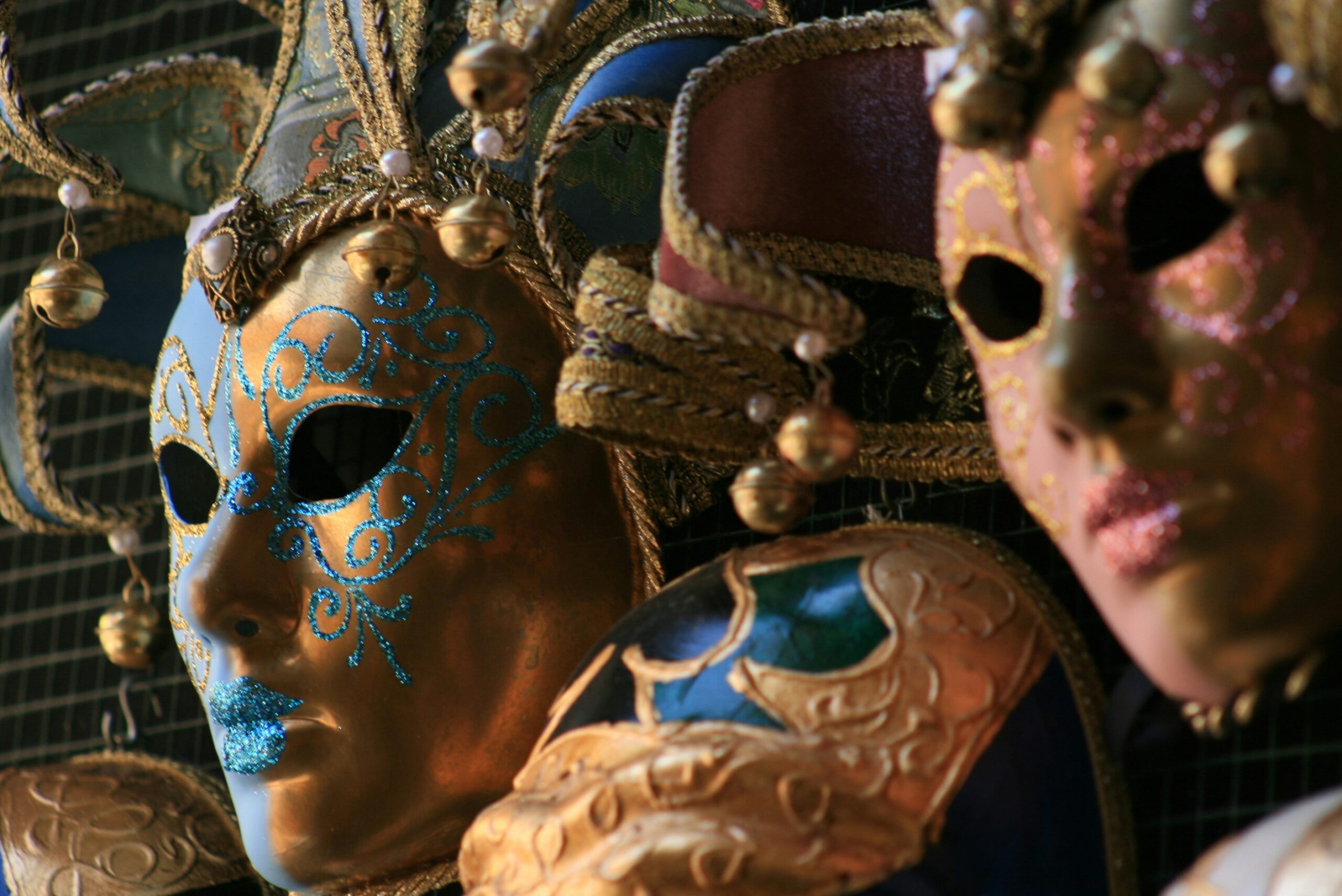
The secret self, a core concept in ORSC, refers to the parts of ourselves we deliberately hide from others. These can include vulnerabilities, fears, or even positive traits that feel incongruent with the roles we play in relationships or professional settings. For example, a manager might hide their creativity in a data-driven corporate culture, fearing it will undermine their credibility.
The secret self often emerges in relational contexts. We conceal certain aspects to protect ourselves from judgment or rejection, but doing so can hinder authentic connections and limit the full expression of who we are.
The Shadow Self (Jungian Psychology)
The shadow self, introduced by Carl Jung, represents traits and emotions we repress because they conflict with our self-image or societal expectations. Unlike the secret self, which we consciously hide, the shadow self often operates unconsciously, influencing behaviours and choices in ways we might not fully understand.
For instance, someone with an unacknowledged competitive streak might criticise others’ ambition, projecting their own suppressed traits outward. The shadow self is broader than the secret self and includes instincts, desires, and traits we may not even realise we possess.
Similarities Between Secret Selves and Shadow Selves
Both the secret self and shadow self focus on hidden parts of our identity shaped by personal, societal, or cultural factors. They involve traits that are suppressed due to fear of rejection, judgment, or incongruity with societal norms. Both frameworks encourage self-exploration and integration as pathways to greater authenticity, emotional resilience, and deeper relationships.
In essence, they remind us that what we suppress is not inherently “bad” but often holds untapped strength and value.
Differences Between Secret Selves and Shadow Selves
- Consciousness:
- The secret self is consciously hidden; we are aware of what we choose to conceal.
- The shadow self is often unconscious, operating outside our awareness until we bring it into the light through reflection or shadow work.
- Focus:
- The secret self centres on relational dynamics—how we interact and present ourselves to others.
- The shadow self focuses on the individual psyche, encompassing traits that shape how we perceive and engage with the world.
- Scope:
- The secret self is narrower, involving traits or behaviours intentionally hidden in specific contexts.
- The shadow self includes a broader range of repressed qualities, from instincts and desires to forgotten strengths.
The Benefits of Recognising Secret and Shadow Selves
1. Increased Self-Awareness
Bringing the secret self and shadow self into awareness fosters deeper understanding of who we are. This heightened self-awareness helps us identify behaviours driven by fear, shame, or unconscious motivations, empowering us to make intentional choices instead of reactive ones.
2. Emotional Resilience
Exploring hidden selves involves facing uncomfortable emotions like shame, guilt, or fear. By doing so, we build emotional resilience and learn to navigate challenges with greater confidence and calm.
3. Unlocking Hidden Strengths
Often, what we suppress holds tremendous power. Traits we perceive as “negative,” like assertiveness or ambition, can become strengths when integrated and expressed appropriately. Similarly, embracing vulnerabilities hidden within the secret self—such as admitting when we need help—can strengthen relationships and leadership effectiveness.
4. Authentic Relationships
Revealing the secret self helps us build trust and deeper connections with others, while shadow work reduces projection and miscommunication, enabling healthier interactions. Both processes promote authenticity, a cornerstone of meaningful relationships.
5. Professional Growth
In professional settings, recognising the secret self and shadow self allows for greater authenticity and leadership presence. For instance, a leader who integrates their shadow traits, such as perfectionism or fear of failure, can approach decision-making with clarity and balance, improving team dynamics and outcomes.
Practical Steps for Exploring Hidden Selves
1. Journaling and Reflection
Write about traits or emotions you hide from others (secret self) or behaviours in others that trigger strong reactions in you (a clue to the shadow self). Reflection helps bring these hidden aspects into conscious awareness.
2. Embrace Shadow Work
Shadow work involves exploring repressed traits, often with the help of a coach or therapist. This process encourages you to sit with discomfort, examine triggers, and reframe suppressed qualities as potential strengths.
3. ORSC Techniques for the Secret Self
Incorporate relational exercises, such as sentence stems like “If you really knew me…”, to safely explore and share aspects of the secret self with trusted individuals. This fosters openness and trust in relationships.
4. Feedback from Others
Ask trusted colleagues or friends to share observations about your strengths and areas for growth. They may reveal aspects of your shadow or secret self you’ve overlooked.
5. Reframing the “Negative”
Recognise that traits labelled as “negative” by society are context-dependent. For example, sensitivity, often undervalued in corporate environments, is a crucial skill for empathy and leadership.
Final Thoughts
Exploring the secret self and shadow self is not about fixing flaws but embracing the wholeness of who we are. Both concepts remind us that our hidden selves hold extraordinary power. By bringing these parts into the light, we unlock new dimensions of strength, authenticity, and connection, enriching our personal and professional lives.
Begin your journey of self-discovery today. What secret or shadow traits could you embrace to unlock your full potential? Through reflection, shadow work, or ORSC methodologies, take the first step toward greater self-awareness and growth.
Your hidden self might just be the key to your greatest strengths.